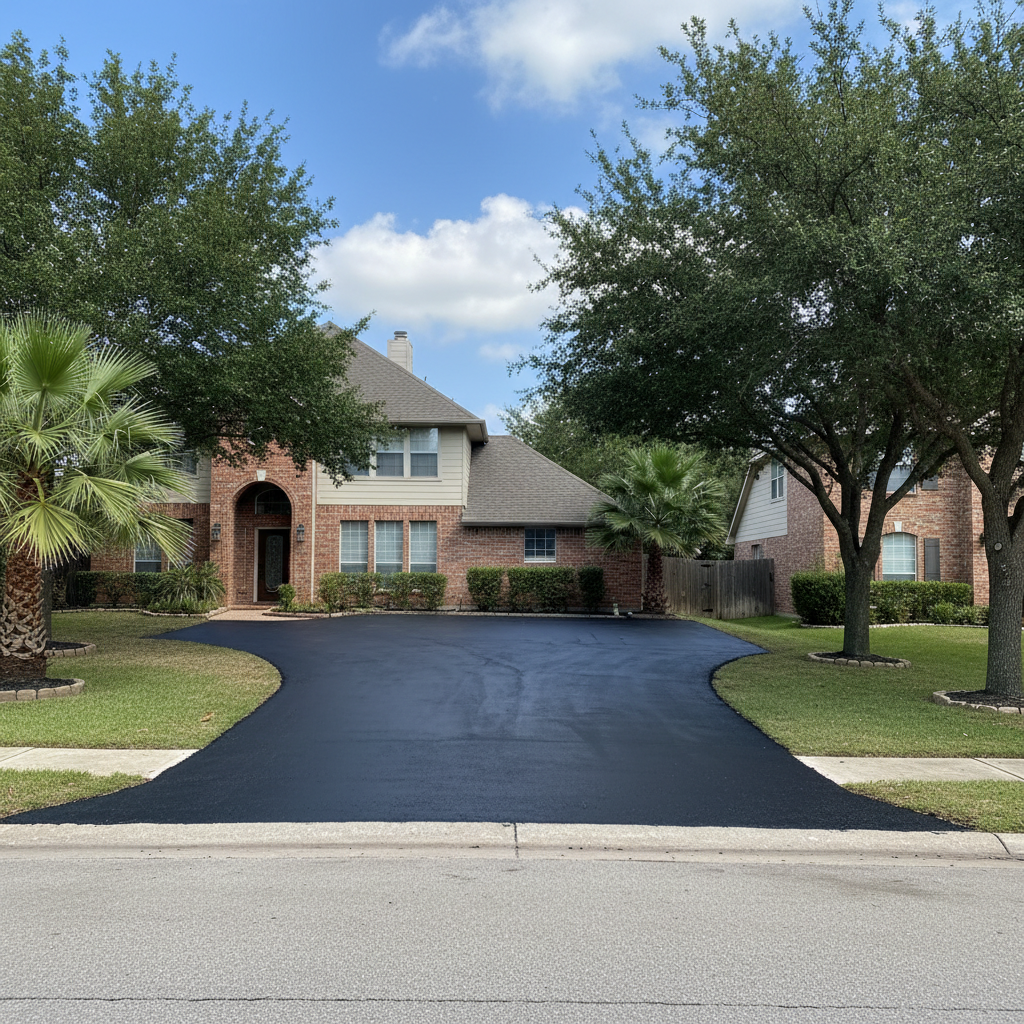
You've got a business to run, right? And honestly, the last thing you need is a parking lot full of potholes or a crumbling driveway that sends customers running. Here in Houston, keeping your commercial asphalt in tip-top shape isn't just about looking good; it's about safety, making your place accessible, and protecting your property's value. But here's the kicker: our weather doesn't always play nice with asphalt projects. Knowing *when* to schedule your paving or repairs can save you a ton of headaches and money down the road.
When's the Best Time to Pave or Repair Commercial Asphalt in Houston?
This is probably the question I hear most often. For big asphalt paving jobs or resurfacing, you're really looking for a sweet spot. The perfect conditions mean consistent temperatures – not too hot, not too cold, and definitely dry. For us Houston folks, that usually points to late spring, early summer, or early fall.
- Spring (April-May): This is often prime time. The ground has dried out from any winter rains, and while things are warming up, we usually haven't hit those brutal 90s and 100s yet. The asphalt mix cures best when temperatures are moderate like this.
- Early Summer (June): Can be good, but you're starting to flirt with those intense heat waves and the beginning of our rainy season. If you can get it done before the really oppressive heat sets in, you're golden.
- Fall (September-November): Another excellent window. The summer heat starts to break, and even though we can still get some humidity, the overall conditions are usually much better than mid-summer. Plus, you get the work done before any potential cooler, wetter winter weather rolls in.
What you really want to steer clear of is the dead of winter or the absolute peak of summer. Extreme cold can make the asphalt brittle and tough to work with, messing up compaction. Extreme heat, on the other hand, can keep the asphalt too soft for too long, making it more likely to rut and get damaged while it's trying to cure. And rain? Well, that's a whole different story.
How Houston's Weather Really Messes with Asphalt Work
Let's talk about the specific challenges we face right here. It's not just about temperature; it's about the whole package, you know?
- Humidity and Rain: Houston's famous for its humidity and sudden downpours. You can start a job on a sunny morning and have a torrential storm roll in by afternoon. Asphalt needs a dry surface to bond correctly. Water trapped underneath or within the layers can lead to early failure, cracking, and potholes. That's why we're always checking the forecast, sometimes hourly, when we're on a job. Even a little bit of moisture can compromise the finished product's integrity.
- Extreme Heat: Our summers are no joke. When it's 100 degrees outside, the asphalt mix stays hot and pliable for a long time. While that might sound good for compaction, it also means it's more likely to get displaced or damaged by traffic before it fully sets. It also makes the work incredibly tough on the crew, which can affect efficiency and quality if we don't manage it carefully.
- Soil Conditions: This isn't strictly weather, but it's definitely tied to our climate. Houston's expansive clay soils are pretty notorious. They swell up when they get wet and shrink when they dry out, putting constant stress on any surface built on top of them, including your asphalt. Proper base preparation and drainage are absolutely critical here. If you don't deal with the underlying soil, even the best asphalt job won't last as long as it should. We've seen plenty of parking lots in areas like The Heights or Bellaire where poor drainage combined with clay soil has led to significant cracking and sinking in just a few years.
Protecting Your Commercial Asphalt Investment Year-Round
Once you've got that fresh asphalt down, you want it to last, right? Here's what you can do:
- Regular Inspections: Walk your parking lot or driveways often. Look for small cracks, potholes, or places where water is pooling. Catching these issues early is key. A small crack can turn into a major pothole surprisingly fast, especially with our freeze-thaw cycles (even if they're not as extreme as up north).
- Sealcoating: Think of sealcoating as sunscreen for your asphalt. It protects against UV rays, water getting in, and chemical spills (like oil and gas). It also gives your lot a fresh, black appearance. For commercial properties, I generally recommend sealcoating every 2-3 years, depending on traffic and how much sun it gets.
- Crack Filling: Those small cracks? Fill 'em! This is probably the most cost-effective maintenance you can do. It stops water from getting into the base layers, which is where the real damage starts.
- Proper Drainage: Make sure your drainage systems are clear and working. If water is sitting on your asphalt for extended periods, it's going to make it wear out faster. Clear out those storm drains and make sure slopes are doing their job.
- Line Striping: Not just for looks, clear line striping improves safety and traffic flow. Plus, it's a good time to inspect the asphalt when the crew is out there.
At Mighty Asphalt Inc, we've been dealing with Houston's unique challenges for years. We know what it takes to get asphalt projects done right in this climate. Don't wait until you've got a major problem on your hands. A little proactive maintenance goes a long way in keeping your commercial property looking good and functioning safely.