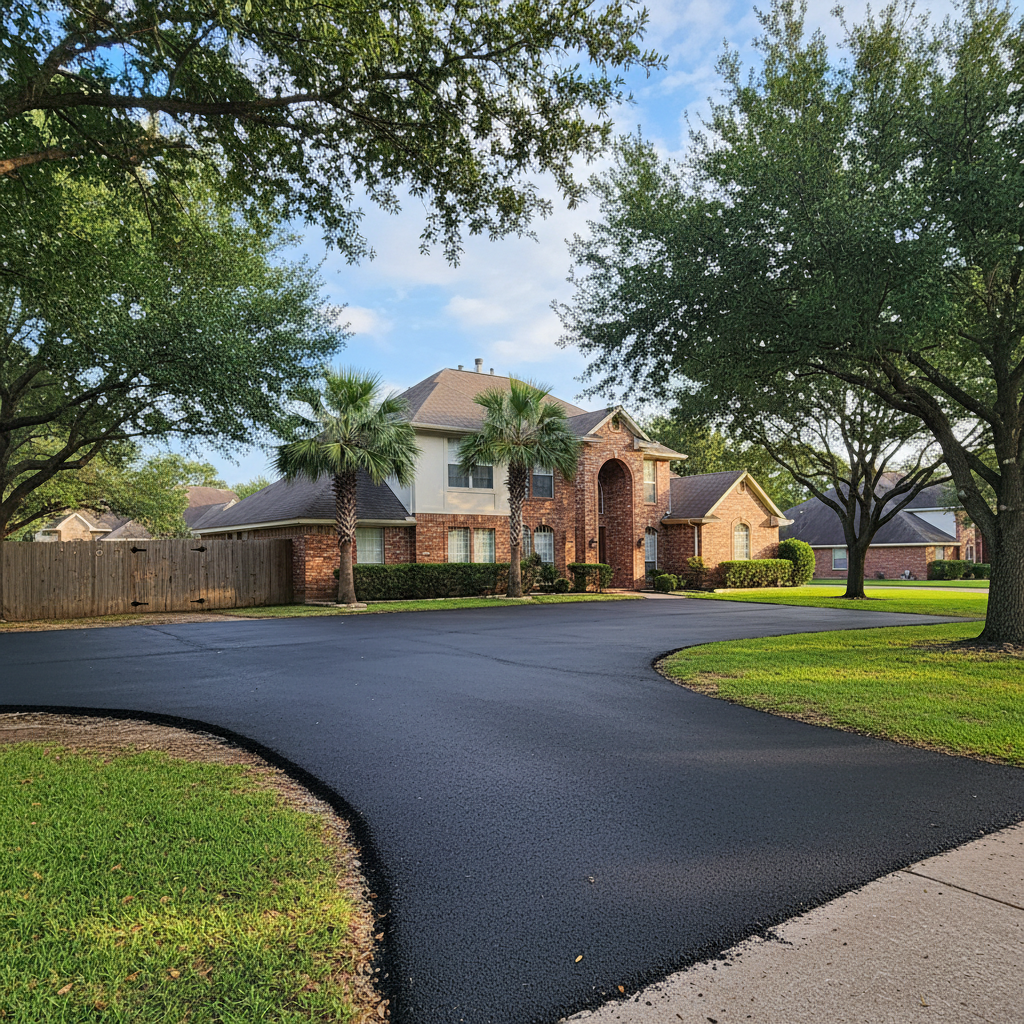
Running a business in Harris County means dealing with some of the harshest weather elements in the country. Between the blazing summer heat, heavy downpours, and shifting gumbo clay soil, your commercial pavement takes a beating twelve months out of the year. If you want to avoid expensive structural failures, you cannot just pave it and forget it. Here is how to manage your asphalt maintenance through every changing season.
Spring: Assessing and Repairing After Winter
Spring usually brings a welcome break from cooler temperatures, making it the ideal window to inspect what winter left behind. Even though we do not get heavy snow, winter humidity and occasional cold snaps cause ground movement that stresses your parking lot. Walk your property and look for early signs of trouble. Catching small cracks early stops water from reaching the sub-base before heavy spring rains arrive. At Mighty Asphalt Inc, we always tell property owners that spring is prime time for minor patching and crack filling before the intense heat sets in.
Summer: Battling UV Rays and Heavy Storms
Summer in Southeast Texas is brutal on petroleum-based products. Sustained triple-digit temperatures soften your pavement, making it vulnerable to rutting from delivery trucks and heavy traffic. On top of that, intense UV radiation oxidizes the binder, turning rich black asphalt into a brittle, gray surface. Sudden afternoon tropical downpours add thermal shock and expose any hidden drainage flaws. Keep heavy vehicles from parking in the exact same spot every day during peak heat waves, and make sure your drainage channels stay completely clear of debris.
Fall: The Sweet Spot for Major Work
Fall is the best season to schedule heavier commercial pavement projects. The extreme humidity starts to back off, daytime temperatures hover in a comfortable range, and you still have plenty of dry days ahead. If your lot needs attention, this is when you want to get it done. Cooler autumn air allows materials to cure correctly without baking too fast or staying wet too long. Getting your pavement touched up now ensures your surfaces are strong and sealed before the end of the year.
Winter: Monitoring and Managing Drainage
Our winters are relatively mild, but damp conditions and fluctuating temperatures still impact your lot. While you are not fighting freezing blizzards, standing water from winter rains can sit in minor depressions and slowly erode the binder. Keep a close eye on how water drains off your property after a cold front passes through. Addressing pooling water immediately prevents minor surface wear from turning into deep base failures by the time spring rolls back around.